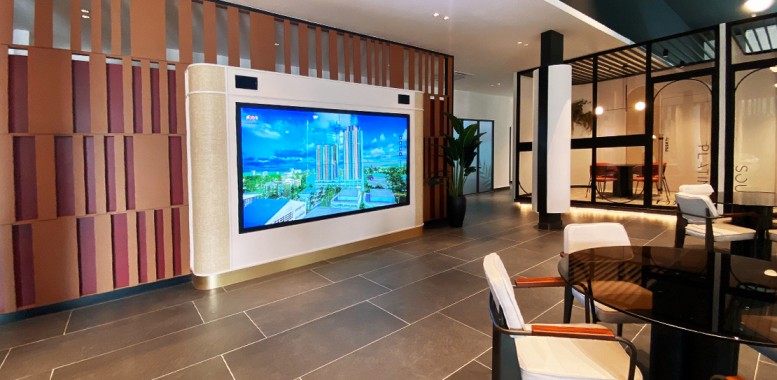
Malaysian businesses are rethinking how they communicate. From retail malls in Kuala Lumpur to hospitals in Penang, digital signage has become a go-to tool for brands that want to cut through the noise and connect with customers in real time. But with so many platforms on the market, choosing the right digital signage software Malaysia businesses can actually rely on is easier said than done.
This guide breaks down everything you need to know—from the key benefits of going digital to the features that matter most, plus practical advice for picking a solution that fits your industry and budget.
Why Digital Signage Is Taking Off in Malaysia
Malaysia’s retail and hospitality sectors have grown rapidly over the past decade, and screen-based communication has grown with them. Shopping complexes, F&B outlets, corporate offices, and government agencies are all investing in dynamic displays to replace static posters and printed menus.
The reasons are straightforward. Digital signage content can be updated instantly, scheduled in advance, and managed remotely across multiple locations. For a business with outlets spread across the Klang Valley or beyond, that kind of flexibility is invaluable. Add in the falling cost of commercial displays and the rise of cloud-based software, and it’s clear why adoption is accelerating.
Key Benefits for Local Businesses
Before you start comparing software options, it helps to understand what digital signage can actually do for your bottom line.
Real-time content updates: No more waiting for print runs or manual poster changes. Whether you’re pushing a flash sale or updating a menu price, changes go live in minutes.
Consistent branding across locations: Franchise owners and multi-site operators can push the same content to every screen simultaneously, ensuring brand consistency without relying on individual staff at each location.
Improved customer experience: Eye-catching visuals reduce perceived wait times, help customers navigate spaces, and make promotions far more engaging than a printed flyer ever could.
Data-driven decisions: Many modern platforms now include analytics tools that track content performance, giving you insight into what resonates with your audience.
Cost savings over time: The upfront investment in digital signage pays off quickly when you factor in the recurring costs of printing, distribution, and installation of traditional signage.
Essential Features to Look For
Not all digital signage software is built the same. Here are the features that separate a solid platform from one that will frustrate you six months down the line.
Cloud-Based Content Management
A cloud-based CMS lets you manage your screens from anywhere—your office, a coffee shop, or halfway across the country. Look for an intuitive dashboard that doesn’t require technical expertise to operate.
Multi-Screen and Multi-Zone Support
Can the software handle different content zones on a single screen? Can it manage hundreds of displays across different locations from one account? These capabilities are non-negotiable for growing businesses.
Scheduling and Automation
The ability to schedule content in advance is a huge time-saver. The best platforms let you set dayparting rules, meaning your breakfast menu appears in the morning and your dinner specials take over in the evening—automatically.
Template Library and Design Tools
Not every business has a graphic designer on staff. Built-in templates and drag-and-drop design tools allow anyone to create professional-looking content quickly.
Hardware Compatibility
Check whether the software supports the media players or smart displays you already own, or plan to purchase. Compatibility with Android-based players, Samsung SMART Signage, or LG webOS can significantly affect your total cost.
Local Support and Pricing in MYR
For Malaysian businesses, having access to local customer support—and pricing that doesn’t fluctuate with the US dollar—can make a real difference. Opt for providers that offer support in Bahasa Malaysia or have a local team on the ground.
Top Digital Signage Software Options in Malaysia
Here’s a look at some of the platforms commonly used by Malaysian businesses:
ScreenCloud
ScreenCloud is a cloud-based platform known for its clean interface and strong app integrations. It supports a wide range of hardware and includes a solid template library. Pricing is subscription-based, and it’s popular with retail and corporate users globally, including in Malaysia.
Yodeck
Yodeck offers a cost-effective entry point, with a free plan available for single-screen users. It works well with Raspberry Pi-based media players, making it a budget-friendly option for small businesses. Remote management and scheduling are both strong suits.
Fugo
Fugo targets enterprise users with features like TV dashboards, content scheduling, and multi-user access. It integrates with tools like Google Slides and Canva, which makes content creation faster for teams already using those platforms.
NoviSign
NoviSign is used across retail, education, and healthcare sectors. It offers an online studio for content creation, real-time updates, and a touch-screen option—useful for interactive kiosks.
Local and Regional Providers
Several Malaysia-based companies offer digital signage solutions tailored to the local market. These providers often bundle hardware, software, and on-site installation support, which can simplify the process for businesses without an in-house IT team. If local compliance, Bahasa Malaysia support, or MYR billing matters to you, exploring regional vendors is worth the time.
Choosing the Right Solution for Your Industry
The best platform for a shopping mall is not necessarily the best one for a hospital or a university. Here’s how to think about it by sector:
Retail and F&B: Prioritise ease of content updates, promotional scheduling, and visual design tools. Integration with your POS system for dynamic menu pricing is a bonus.
Corporate and Office: Look for internal communications features, meeting room displays, and integration with tools like Microsoft Teams or Google Workspace.
Healthcare: Wayfinding, queue management, and the ability to display real-time information (such as waiting times) are key. Reliability and uptime guarantees matter significantly here.
Education: Multi-campus management, event scheduling, and emergency alert capabilities are worth prioritising for schools and universities.
Hospitality: Guest-facing displays should support high-quality visuals, event listings, and potentially multilingual content for international visitors.
Regardless of your sector, always request a free trial or demo before committing. Most reputable platforms offer at least a 14-day trial period.
Getting Started With Digital Signage
Jumping into digital signage doesn’t have to be overwhelming. A few practical steps to get you moving:
- Define your goals: Are you trying to increase sales, improve wayfinding, or enhance internal communications? Your objective shapes every decision that follows.
- Audit your existing hardware: You may already have screens that are compatible with a software platform, which can reduce your initial costs.
- Shortlist two or three platforms: Based on the features above, narrow your options and sign up for free trials.
- Test with one location first: Pilot the software at a single site before rolling it out across your entire network.
- Train your team: Even user-friendly platforms have a learning curve. Invest time in onboarding to get the most out of your subscription.
Make the Right Call for Your Business
Choosing digital signage software is not a one-size-fits-all decision. The right platform depends on your screen count, your team’s technical ability, your industry’s specific needs, and your long-term growth plans. Take the time to compare your shortlisted options carefully, lean on free trials, and don’t hesitate to contact vendors directly with questions.
The businesses getting the most out of digital signage aren’t necessarily the ones with the biggest budgets—they’re the ones who chose the right tool for the job and used it consistently.
Deja una respuesta